Watercolor Spring Foliage Clipart: An Embroidery Review
As a designer who spends more time behind an embroidery machine than a computer screen, I approach digital assets with a healthy dose of skepticism. When evaluating Watercolor Spring Foliage Clipart for potential use in production, my first question is never about how pretty it looks on a monitor. Instead, I ask whether those soft, blended washes can actually translate into thread without looking muddy or overly dense. After testing this collection for a recent client project involving custom spring tote bags, I have gathered practical insights that fellow makers, Etsy sellers, and apparel decorators need to know before committing this design to fabric.
First Impressions and Visual Translation
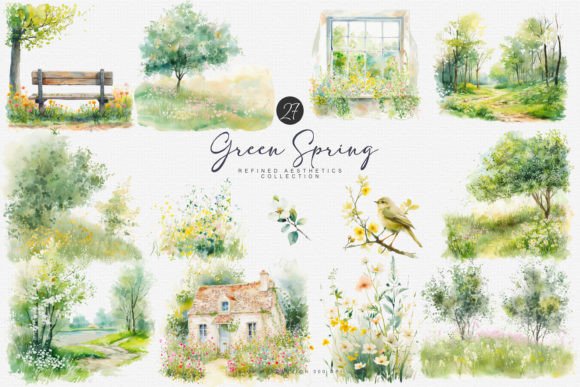
The initial appeal of these illustrations lies in their organic flow. Unlike rigid vector art, watercolor styles rely on edge variation and color blending. For an embroidery project, this presents a unique challenge and opportunity. The Watercolor Spring Foliage Clipart features loose botanical shapes that evoke a sense of freshness and gentle movement. Visually, it avoids the "sticker" look that plagues many digitized floral designs.
However, translating this aesthetic requires careful consideration of stitch types. A true watercolor effect in machine embroidery cannot be achieved with standard satin stitches alone. This design works best when interpreted through layered fill stitches and running stitch outlines that mimic brush strokes. If you are purchasing a pre-digitized embroidery file based on this clipart, verify that the digitizer has used texture mapping rather than solid blocks of color. If you are digitizing it yourself from the raw illustration, prioritize open fills and blend modes to maintain that airy, artistic personality. The mood is distinctly cottage-core and romantic, making it ideal for personalized gifts and boutique merchandise where softness sells better than bold graphics.
Real-World Application: The Custom Tote Bag Test
To truly evaluate performance, I applied this design to a natural canvas tote bag intended for a small shop product launch. Canvas is unforgiving; its texture can swallow fine details, and its lack of stretch demands precise stabilization. Here is how the Watercolor Spring Foliage Clipart performed in a commercial embroidery context:
- Visual Clarity on Texture: The foliage elements held up well against the canvas weave because the design utilizes medium-density fill stitches rather than tiny detail work. The larger leaf shapes acted as anchors, while smaller buds provided accent points without getting lost in the fabric texture.
- Color Blending Success: Using variegated threads helped bridge the gap between the digital watercolor look and physical thread. Solid colors looked too flat against the original art, but blending two or three thread colors within the same fill area recreated the painted depth essential to this style.
- Customer Perception: During a soft launch, customers responded specifically to the "hand-painted" vibe. In the handmade product market, buyers often equate watercolor aesthetics with higher value and artisanal care. This design successfully communicated that premium feel, distinguishing the tote from mass-produced alternatives.
This case study confirms that the artwork is viable for custom apparel and accessories, provided the execution respects the medium's limitations.
Navigating Fabric Limitations and Hoop Constraints
While versatile, Watercolor Spring Foliage Clipart is not universally forgiving. Through testing, I identified specific scenarios where caution is necessary. Understanding these boundaries prevents wasted materials and frustrated clients.
Stretchy and Thin Fabrics
Watercolor designs often require higher stitch counts to create shading gradients. On lightweight knits or stretchy jersey fabrics, this density can cause puckering or distortion. If using this for baby embroidery or t-shirt projects, you must use a high-quality cut-away stabilizer and potentially a topping to prevent stitches from sinking. Always test on scrap fabric first. If the design feels stiff or bulletproof after stitching, it is too dense for that specific garment. Consider reducing density or resizing the design down to reduce stitch count.
Dark Backgrounds and Contrast
Watercolor relies on light passing through layers to create luminosity. On dark fabrics, this effect dies unless you lay down a white underlay base. Without it, the pastel greens and pinks typical of spring foliage will look dull and gray. For dark sweatshirt embroidery or navy caps, factor in the extra run time for a white base layer. Alternatively, reserve this specific clipart collection for light-colored blanks where the transparency of the design can shine naturally.
Small Hoop Sizes and Detailed Corners
Resizing watercolor art downward is risky. As shapes shrink, the gradient fills lose definition and turn into solid blobs. If your hoop size limits you to a 4x4 area, choose a single focal element from the clipart set rather than compressing the entire arrangement. Tiny lettering paired with this design also tends to fail; the organic edges of the foliage clash with crisp, small text. Keep typography minimal and separate from the detailed floral areas.
Elevating Product Value and Brand Consistency
For creative entrepreneurs and Etsy sellers, consistency builds trust. Watercolor Spring Foliage Clipart offers a cohesive visual language that can extend across multiple product lines. I found it particularly effective for creating matching sets, such as a nursery pillow cover paired with a baby blanket, or a kitchen tea towel coordinated with an apron. This cross-product application increases average order value and reinforces brand identity.
Furthermore, this style photographs beautifully for printable mockups and digital product previews. The soft edges blend seamlessly into lifestyle photography backgrounds, unlike harsh vector lines that sometimes look pasted on. When listing finished products online, ensure your photos capture the texture of the embroidery. Flat scans do not do justice to the dimensional quality of stitched watercolor effects. Showcasing the tactile nature of the work validates the price point and engages buyers looking for authentic handmade goods.
Critical Designer Notes Before You Stitch
Before loading this design into your machine or listing it in your shop, run through this practical checklist derived from professional experience:
- Verify Licensing Terms: Confirm whether your purchase allows for commercial embroidery of finished products versus selling the digital embroidery file itself. These rights are rarely interchangeable.
- Audit Stitch Density: Open the file in your editing software. Check for areas where stitch density exceeds safe limits for your target fabric. Adjust pull compensation if necessary to account for fabric push-and-pull.
- Test Thread Colors Physically: Screen colors are RGB; thread is physical pigment. Create a physical color chart test stitch-out. What looks like a vibrant sage green on screen might stitch out as olive drab. Trust your eyes over your monitor.
- Check Stabilizer Pairings: Match stabilizer weight to design density. Heavy watercolor fills need robust support; delicate running stitch outlines need tear-away or wash-away options to avoid bulk.
- Evaluate Washability: If producing items requiring frequent laundering like kitchen towels or baby clothes, ensure the design does not rely solely on surface-running stitches that could snag or unravel. Secure edges properly.
- Mockup in Black and White: View the design in grayscale before stitching. If the values read clearly without color, the structural integrity of the design is sound. If it turns into a gray mush, adjust contrast or simplify details.
Watercolor Spring Foliage Clipart represents a beautiful intersection of digital art and textile craft, but it demands respect for the embroidery process. By understanding its behavior on different substrates and adjusting your technique accordingly, you can transform these lovely illustrations into profitable, professional-grade embroidered goods that delight customers and stand the test of wear. Always let the fabric and the thread guide your final decisions, using the digital art as inspiration rather than absolute law.