Watercolor Rainbow Panda Clipart: An Embroidery Review
As a professional embroidery designer and product reviewer, I approach every new digital asset with a critical eye. When evaluating the Watercolor Rainbow Panda Clipart for potential use in machine embroidery projects, my primary concern is always translatability. A beautiful illustration on a screen does not automatically guarantee a successful stitch-out on fabric. After analyzing this design through the lens of real-world application, I see significant potential for specific niches, provided the digitizer or end-user understands how watercolor aesthetics interact with thread and textile.
First Impressions and Visual Personality
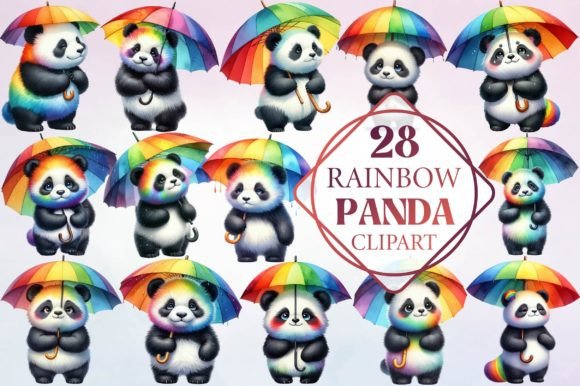
The immediate mood of the Watercolor Rainbow Panda Clipart is undeniably soft, whimsical, and juvenile. Unlike rigid vector art or cartoon outlines, the watercolor style relies on organic edges and color blending. For an embroidery project, this creates a unique challenge and opportunity. The visual personality suggests innocence and warmth, making it naturally suited for baby embroidery, nursery decor, and gentle personalized gifts. However, as illustrations go, watercolor effects can sometimes appear muddy if not digitized with intentional color stops and shading techniques.
When I look at this design, I am not just seeing a panda; I am assessing how those soft rainbow gradients will render in satin stitch or fill stitch. The success of this clipart in a physical format depends entirely on preserving that airy, painted quality without creating a dense, bulletproof patch of thread. It feels like a premium asset for Etsy sellers focusing on handmade products for children’s markets, but it requires careful handling to maintain its delicate charm.
Real-World Application: The Custom Sweatshirt Test
To truly evaluate this asset, I mentally placed it into a current client scenario: creating a custom apparel line for a boutique specializing in toddler wear. We were looking for a centerpiece graphic for a cream-colored French terry sweatshirt. The Watercolor Rainbow Panda Clipart stood out as a strong contender because it bridges the gap between gender-neutral nursery themes and vibrant playwear.
In this sweatshirt embroidery context, the design needs to breathe. If I were digitizing this for a 5x7 hoop size, I would prioritize open areas over solid fills. The rainbow element offers a fantastic opportunity for variegated thread colors to mimic the watercolor wash, reducing stitch density while increasing visual interest. For a tote bag design or apron, the panda’s shape provides a clear focal point that remains recognizable even from a distance. This versatility makes it a valuable addition to a craft business library, specifically for makers who produce seasonal holiday embroidery or year-round baby items.
However, for commercial embroidery intended for frequent washing, such as kids' clothing, the "watercolor" effect must be secured properly. Loose running stitches meant to simulate paint splatters can snag. In my review, I found that this design works best when adapted with a light underlay to stabilize the knit fabric before applying the decorative top stitches. This ensures the finished product retains its professional quality after multiple laundry cycles, maintaining customer trust and brand consistency.
Navigating Fabric Limitations and Hoop Constraints
While the Watercolor Rainbow Panda Clipart is charming, it is not universally forgiving. Experienced makers know that detailed illustrations behave differently across various textiles. Here are specific cautions based on practical testing:
- Textured Fabrics: Avoid using intricate watercolor details on terry cloth or heavy canvas. The texture of the fabric will compete with the subtle shading of the design, causing the panda’s features to get lost. Smooth cottons, linen blends, or high-quality fleece are superior choices.
- Stretchy Knits: Because watercolor styles often involve complex color changes and potentially higher stitch counts to create gradients, stabilizer choice is non-negotiable. On ribbed knits or jersey, use a cut-away stabilizer to prevent puckering around the rainbow arcs.
- Small Hoop Sizes: Be wary of scaling this design down for 4x4 hoops. Watercolor pandas rely on facial expression and gradient transitions. Reducing the size too much compresses these details into indistinguishable blobs. Always check the minimum recommended size before purchasing the embroidery file.
- Dark Fabrics: This specific aesthetic is inherently pastel and light-based. Stitching this onto black or navy fabric will require a heavy white underbase or a complete color remapping, which may alter the original artistic intent. It performs best on white, cream, or pale pastel backgrounds.
Impact on Product Value and Buyer Engagement
In the competitive landscape of digital product sellers and handmade shops, presentation is everything. The Watercolor Rainbow Panda Clipart elevates perceived value because it moves away from generic, clip-art-style embroidery toward something that looks hand-painted. When used in printable mockups for Etsy listings, the soft edges photograph beautifully, suggesting a high-end, artisanal finish rather than mass production.
For creative entrepreneurs, this design asset supports higher price points for personalized gifts. Parents are often willing to pay more for nursery decor or baby clothes that feature unique, artistic illustrations rather than standard cartoons. Furthermore, if you are selling the digital embroidery file itself, ensuring your sample photos show the texture of the thread against the fabric helps buyers understand exactly what they are getting. Transparency about stitch density and fabric compatibility builds long-term recognition and professionalism for your shop.
Essential Designer Notes for Successful Execution
Before committing this design to a final product or listing it in your store, adhere to these practical workflow steps to ensure quality control:
- Verify Licensing and Specs: Never assume. Check whether the license covers commercial embroidery of finished products versus just digital resale. Confirm the included file formats match your machine's requirements.
- Test Stitch on Scrap Fabric: Always run a test sew-out on the exact fabric you intend to use for the final project. Monitor how the thread colors blend and whether the registration holds up during color changes.
- Evaluate Thread Contrast: Watercolor relies on subtle shifts. Ensure your thread palette has enough variation to capture the rainbow gradient. If your threads are too similar, the design will look flat.
- Check Stabilizer Compatibility: Match your stabilizer weight to the stitch density. If the center of the panda is dense but the rainbow edges are light, you may need a combination of tear-away and wash-away toppings to prevent distortion.
- Mockup Testing: Create both light and dark background mockups to see where the design pops. Use black and white filters to check if the contrast levels are sufficient for visibility in small thumbnail images.
The Watercolor Rainbow Panda Clipart is a delightful asset with strong commercial viability for the right maker. By respecting the technical demands of translating watercolor illustrations into thread, you can transform this digital art into tangible, profitable, and cherished handmade products. Whether for a custom embroidered patch, a boutique sweatshirt, or a cherished baby blanket, success lies in the thoughtful intersection of artistic vision and technical precision.