Watercolor Scale Clipart: An Embroidery Review
As a professional embroidery designer and product reviewer, I approach every new digital asset with a specific question: will this actually stitch out beautifully on real fabric? When evaluating Watercolor Scale Clipart, my focus shifts immediately from screen aesthetics to needle performance. This design category sits within Illustrations, but for makers and small business owners, its true value lies in how those soft, painted edges translate into thread. The watercolor aesthetic is incredibly popular right now for its organic, artistic feel, but it presents unique challenges and opportunities for machine embroidery that require careful consideration before you commit to a production run.
First Impressions and Artistic Mood
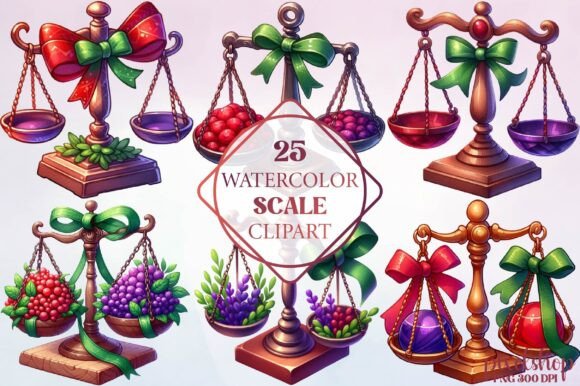
My initial assessment of Watercolor Scale Clipart reveals a design that evokes whimsy, fantasy, and gentle elegance. Unlike rigid geometric scales or harsh dragon motifs often found in gaming merchandise, the watercolor style suggests something softer—perhaps mermaid lore, fairy tales, or boho-chic nursery themes. The visual personality is fluid and dreamlike. For an Etsy seller or boutique owner, this mood is highly marketable because it bridges the gap between niche fantasy art and mainstream feminine apparel.
However, as a reviewer, I look past the pretty colors to see the structure. A successful watercolor effect in embroidery relies heavily on the interplay of stitch types. I am looking for a balance of running stitches to create sketchy outlines and complex fill stitches that mimic brush strokes. If the Watercolor Scale Clipart relies solely on dense satin stitches, it loses that ethereal quality and becomes heavy. Ideally, the digitizing should utilize variable density to allow the fabric texture to peek through, enhancing the painted illusion rather than covering it up completely.
Real-World Application: The Custom Sweatshirt Test
To truly judge this asset, I mentally place it in a real-life scenario. Let’s say I am preparing a custom embroidered sweatshirt for a client who wants a "mystical forest" vibe for her small shop’s autumn collection. She needs a design that looks high-end and handmade, not like a mass-produced patch. Here is where Watercolor Scale Clipart shines, provided the execution is correct.
On a fleece-backed sweatshirt, the textured fabric can sometimes swallow fine details. In this case study, I would evaluate if the scale design has enough contrast in thread colors to stand out against heather gray or cream fleece. The watercolor style naturally lends itself to tonal shading, which is perfect for apparel because it feels integrated rather than stamped on. For this project, I would position the scales cascading down the shoulder seam or clustered near the cuff. This placement utilizes the garment's natural drape, making the illustration feel like part of the clothing construction rather than just a logo slapped in the center.
For a tote bag design or tea towel, the application changes. Cotton canvas and linen have tighter weaves, allowing for crisper detail. Here, the Watercolor Scale Clipart could serve as a central focal point or a repeating border pattern. Because these items are functional, I must consider washability. Watercolor embroidery often uses lighter thread coverage; therefore, ensuring the underlay is sufficient to prevent fabric puckering after laundering is critical for maintaining that professional finish customers expect.
Navigating Fabric Challenges and Technical Limits
While versatile, this type of illustration demands respect for material limitations. As an experienced crafter, I advise using caution when applying Watercolor Scale Clipart to certain substrates.
- Stretchy Fabrics: On jersey knits or ribbed baby clothes, the fluid nature of watercolor digitizing can distort if the stabilizer isn't adequate. The design needs a firm foundation to prevent the "scales" from warping during wear.
- Dark Fabrics: Watercolor effects rely on light passing through layers of color. On black or navy fabric, you lose that translucency unless the digitizer included a white underlay base. Always check a test stitch-out on dark material first; otherwise, the design may look muddy or flat.
- Curved Surfaces: Placing this design on caps or curved bags requires checking the hoop size and distortion settings. Scales that look straight on screen might curve awkwardly on a hat brim. You may need to rotate or resize the digital embroidery file specifically for curved applications.
- Sheer or Thin Fabrics: Organza or lightweight voile cannot support dense fill stitches. If the Watercolor Scale Clipart is too heavy, it will tear the fabric. These designs work best on medium-weight stable fabrics for structural integrity.
Impact on Product Value and Brand Perception
Using high-quality illustrations like Watercolor Scale Clipart directly influences buyer engagement and perceived value. In the saturated market of handmade products, generic clipart stands out negatively. A well-digitized watercolor design signals to the customer that the maker cares about artistic nuance. It elevates a simple baby bib or apron from a basic utility item to a personalized gift worthy of a higher price point.
For commercial embroidery businesses, consistency is key. If you build a brand around soft, romantic aesthetics, incorporating cohesive watercolor elements across your product line creates recognition. Whether it is holiday embroidery for Christmas cards or wedding gifts for bridesmaids, the stylistic thread ties your shop together. Furthermore, utilizing these assets for printable mockups allows you to showcase the design's potential to digital buyers before they even see the physical stitched sample, bridging the gap between digital product sales and finished physical goods.
Essential Designer Notes for Success
Before you load this design into your machine or list it in your shop, run through this practical checklist derived from years of trial and error:
- Verify Licensing: Confirm whether the Watercolor Scale Clipart license permits commercial use for finished products versus digital redistribution. Never assume; always read the terms to protect your craft business.
- Test Stitch Density: Run a test on scrap fabric identical to your final project. Check if the watercolor blending areas are too dense (causing stiffness) or too sparse (causing gaps). Adjust pull compensation if necessary.
- Thread Color Matching: Watercolor relies on subtle gradients. Compare your physical thread chart to the digital file. Sometimes a slight adjustment in thread color selection makes the difference between a vibrant scale and a dull one.
- Stabilizer Selection: Do not skimp here. For watercolor styles, a cut-away stabilizer usually offers better long-term support than tear-away, especially for apparel that will be washed frequently.
- Mockup Validation: Create black and white mockups alongside color versions. This helps you see the value contrast without being distracted by hue, ensuring the design reads clearly at small sizes.
- Check Small Details: Inspect tiny corners or tapered ends of the scales. If they are smaller than 1mm, they may not register cleanly on all machines. Consider simplifying these areas for smaller hoop sizes.
Ultimately, Watercolor Scale Clipart is a beautiful addition to any embroiderer’s library, but it requires a thoughtful approach. By understanding how the illustration interacts with fabric texture, stitch density, and end-use functionality, you transform a digital file into a tangible, sellable masterpiece. Whether you are creating a bespoke sweatshirt, a delicate baby keepsake, or a line of branded merchandise, let practical testing guide your creative decisions. The result will be a finished product that honors both the artistry of the original illustration and the craftsmanship of your embroidery.