Watercolor Halloween Bat Clipart: An Embroidery Review
As a professional embroidery digitizer and product reviewer, I approach every new graphic asset with a specific question: will this actually stitch out well, or is it just a pretty picture? When evaluating Watercolor Halloween Bat Clipart for real-world production, my focus shifts immediately from digital aesthetics to physical execution. This design falls under the category of Illustrations, which often presents unique challenges and opportunities for machine embroidery. Watercolor styles are notoriously difficult to translate into thread because they rely on soft gradients and translucent edges, whereas embroidery machines prefer defined boundaries and solid coverage. However, when executed correctly, this style offers a boutique, handmade feel that standard vector art simply cannot replicate.
First Impressions and Visual Mood
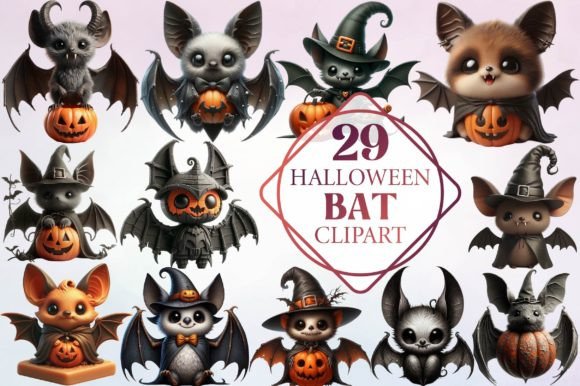
My initial assessment of this Watercolor Halloween Bat Clipart is that it leans toward "whimsical gothic" rather than scary horror. The soft edges and painted texture suggest a vintage storybook aesthetic. For an embroidery designer, this mood is gold. It moves the design away from cheap, mass-produced Halloween gear and into the realm of heirloom-quality holiday decor. The shape appears organic, which is excellent for avoiding the stiff, blocky look that plagues many seasonal designs. Visually, it feels like a piece of art meant for a nursery, a cozy autumn sweatshirt, or a personalized gift rather than a generic costume accessory. This distinction matters immensely for Etsy sellers and small shop owners trying to justify a higher price point based on artistic value.
Real-World Application: The Custom Sweatshirt Test
To truly evaluate this asset, I mentally placed it in a current client scenario: creating a line of premium autumn sweatshirts for a local boutique. The goal was a design that felt high-end enough for adult fashion but playful enough for family photos. In this context, the Watercolor Halloween Bat Clipart serves as an ideal centerpiece. Unlike rigid cartoon bats, the watercolor texture allows for variable stitch density, meaning the design can be lighter and less bulletproof on heavy fleece.
For this sweatshirt project, I would treat the clipart as a guide for a mixed-media embroidery file. The core body of the bat could utilize complex fill stitches to mimic the brush strokes, while the outer edges would require a softer running stitch or a faded satin stitch to replicate the bleeding ink effect. This application transforms a digital illustration into a tactile experience. Customers touching the finished product should feel the texture of the "paint" through the thread. If you are a craft business owner, this level of detail is what separates your custom apparel from print-on-demand competitors. The design’s natural flow also accommodates curved placement on raglan sleeves or centered chest positioning without looking distorted.
Navigating Fabric Limitations and Hoop Sizes
While the aesthetic is versatile, practical limitations exist. Watercolor designs often contain subtle shading that requires high stitch counts to render accurately. You must be cautious when applying this Watercolor Halloween Bat Clipart to thin or stretchy fabrics. On a lightweight baby onesie or a gauzy tea towel, the density required to create the watercolor gradient could cause puckering or fabric distortion. In these cases, I recommend testing the design on scrap fabric first or opting for a simplified version of the file if available.
Dark fabrics present another hurdle. Watercolor effects rely on light passing through layers; on black cotton, those subtle grey and purple undertones may disappear entirely unless you use a white underlay base. This adds significant stitch count and stiffness. For dark garments, consider using this design as an embroidered patch instead. Stitching it onto twill or felt first preserves the integrity of the watercolor effect, which can then be applied to hats, jackets, or tote bags without compromising the base garment. Always confirm your hoop size before purchasing; intricate illustrations often require larger hoops to maintain detail, and resizing down too aggressively can destroy the delicate edge definition that makes this style special.
Commercial Value and Customer Perception
For Etsy sellers and creative entrepreneurs, the commercial viability of this design hinges on its perceived uniqueness. Generic Halloween clipart saturates the market, but high-quality, painterly illustrations signal professionalism. When used in printable mockups for digital product previews, the Watercolor Halloween Bat Clipart should look soft and textured, not pixelated. This visual consistency builds buyer trust. If you are selling finished products, the translation from screen to stitch must be seamless. A customer who buys a personalized pillow cover expects the embroidery to match the listing photo’s vibe. The organic nature of this bat design helps manage expectations; slight variations in stitch registration actually enhance the watercolor illusion rather than detracting from it, making each handmade product feel genuinely one-of-a-kind.
Critical Designer Notes for Success
Before loading this embroidery file into your machine, adhere to these professional best practices to ensure a successful outcome:
- Verify Licensing: Always check the specific license terms for this Watercolor Halloween Bat Clipart. Confirm whether you have rights for commercial embroidery, digital resale, or both before listing any finished product or digital embroidery file for sale.
- Test Stitch Density: Watercolor illusions require balancing coverage and drape. Run a test sew-out on your intended fabric. If the design feels too stiff, reduce the density in your digitizing software. If it looks sparse, add texture stitches rather than increasing overall density.
- Thread Color Contrast: Do not rely solely on the digital preview. Physical thread reflects light differently. Test your thread colors against the actual fabric background. What looks like a subtle shadow on screen might read as a muddy blob in polyester thread. Rayon or matte threads often capture watercolor nuances better than shiny polyester.
- Stabilizer Selection: Because this illustration likely involves varying densities, proper stabilization is non-negotiable. Use a cut-away stabilizer for knits and sweatshirts to prevent shifting during the detailed fill stitch sections. For woven fabrics like tote bags or aprons, a medium-weight tear-away may suffice, but always prioritize stability over ease of removal.
- Detail Inspection: Zoom in on the digital file to inspect tiny corners and wing tips. If the points are smaller than 1mm, they may not stitch cleanly. As a designer, you may need to manually adjust these areas or simplify the edges to prevent needle breaks or thread bunching.
- Mockup Accuracy: When creating listings, use realistic textures in your printable mockup. Avoid flat, vector-style overlays. Show potential buyers how the watercolor effect translates to thread on their specific item type, whether it is nursery decor or holiday embroidery.
Final Verdict for Makers
The Watercolor Halloween Bat Clipart is a sophisticated asset for the experienced maker. It demands more technical attention than a standard cartoon outline but rewards that effort with a premium, artistic finish. Whether you are producing custom apparel, designing an embroidered patch collection, or curating digital design assets, this illustration bridges the gap between seasonal novelty and timeless craftsmanship. By respecting the technical requirements of translating paint to thread, you can elevate your holiday offerings and provide customers with a truly special handmade product. Remember, the success of this design lies not just in the artwork itself, but in your thoughtful execution of stitch, color, and substrate.