Watercolor Halloween Cute Bat Clipart Review
First Impressions: Translating Digital Art to Thread
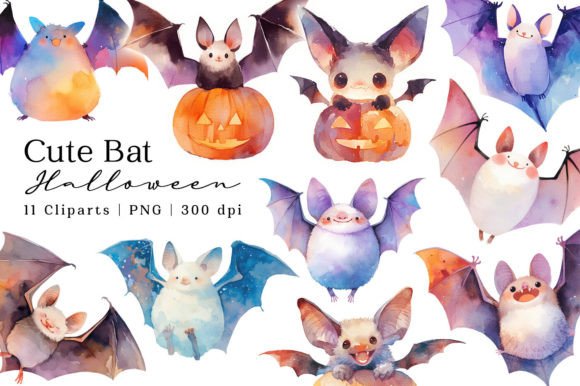
As an embroidery designer who constantly evaluates digital assets for real-world production, my first look at the Watercolor Halloween Cute Bat Clipart was focused entirely on translatability. In the realm of Illustrations, watercolor styles are notoriously tricky to replicate with thread. Paint bleeds and blends naturally; thread does not. However, this specific design catches the eye because it balances that soft, artistic aesthetic with distinct shapes that suggest a viable machine embroidery design. The mood is immediately approachable—spooky but sweet, making it perfect for the current market demand for "cozy Halloween" aesthetics rather than traditional horror.
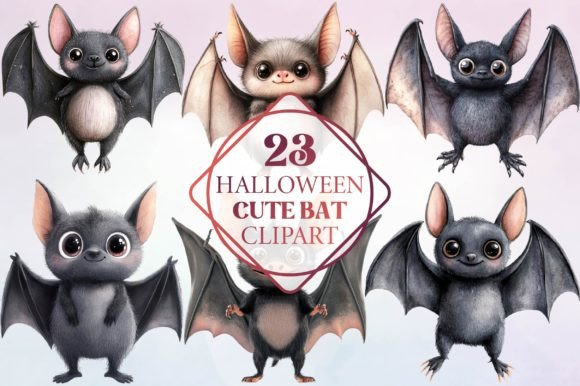
Visually, the bat has a rounded, friendly silhouette that avoids sharp, jagged edges. This is a crucial detail for digitizers and embroiderers alike. Sharp points in watercolor art often result in puckering or registration issues when converted to stitch files. The layout here feels centered and intentional, suggesting it would serve beautifully as a standalone motif on a sweatshirt embroidery project or as part of a larger seasonal collection. It possesses enough visual personality to stand alone without needing excessive text or embellishment, which increases its value as a versatile design asset for creative entrepreneurs.
Real-World Application: Stitching a Custom Tote Bag
To truly evaluate this clipart, I mentally walked through a recent client request for a boutique-style canvas tote bag intended for fall farmers' markets. The client wanted something festive but reusable year-round. When considering the Watercolor Halloween Cute Bat Clipart for this tote bag design, several practical factors came into play regarding how the illustration converts to a finished product.
Canvas is a textured fabric, which can sometimes swallow fine details found in watercolor art. For this project, I determined that the design would perform best if treated as an applique design rather than a full-fill stitch reproduction. By using the bat’s outline for a satin stitch border and filling the interior with a lighter density fill stitch or even leaving the fabric exposed with printed color, we preserve the "watercolor" illusion without creating a bulletproof patch of thread. This approach maintains the drape of the tote bag and keeps the stitch density manageable.
From a business perspective, this application highlights the design's commercial viability. Customers at craft fairs respond to items that feel handmade yet polished. The cute factor of this bat bridges the gap between children’s wear and adult accessories, allowing an Etsy seller or small shop owner to target a broader demographic. Whether used for custom apparel, nursery decor, or holiday embroidery on kitchen linens, the design’s inherent charm translates directly to perceived product value.
Navigating Fabric Choices and Technical Constraints
While the Watercolor Halloween Cute Bat Clipart is versatile, it requires careful consideration regarding where it should not be used. As with many detailed illustrations, context is everything. I would advise extreme caution when attempting this design on highly stretchy fabrics like ribbed knits or thin performance wear without significant modification. The complexity required to mimic watercolor gradients often necessitates higher stitch counts, which can distort elastic materials even with proper stabilizer.
Furthermore, consider the contrast. Watercolor designs rely on subtle shading. If you plan to stitch this on dark fabric, you must verify that the thread colors provide enough differentiation. A grey bat on a black sweatshirt might lose all its defining features once stitched out. In such cases, adding a light background element or adjusting the digitizing to include more highlight stitches becomes necessary. This is particularly relevant for baby embroidery projects where pastel fabrics are common; ensure the bat’s wings don’t blend into the onesie color.
Small hoop sizes also present a challenge. Reducing a complex watercolor illustration below 3 inches often results in muddy details and thread breaks. If your goal is a tiny logo-sized emblem, this specific artwork may need simplification before becoming a viable digital embroidery file. Always respect the minimum size requirements to maintain the integrity of the handmade product.
Elevating Brand Consistency and Customer Trust
For those running a craft business or managing an online store, consistency builds trust. Using high-quality source material like the Watercolor Halloween Cute Bat Clipart ensures that your printable mockup matches the final embroidered output. There is nothing more damaging to buyer engagement than a listing photo that promises soft, blended colors and delivers a blocky, pixelated stitch-out.
This design supports professional presentation because its lines are clean enough to predict stitching outcomes accurately. When customers see a personalized gift featuring this bat, they recognize the care put into selecting appropriate art. It signals that the maker understands the difference between screen printing and embroidery. For commercial embroidery services, offering this style demonstrates technical competence. It shows you can handle artistic nuance, distinguishing your shop from competitors who only offer standard cartoon characters or text-based designs.
Additionally, the "cute" aesthetic of this bat makes it highly giftable. It fits seamlessly into holiday gifts, teacher appreciation packages, or party favors. The emotional connection buyers have with friendly, non-threatening Halloween imagery drives sales, especially in the weeks leading up to October. Leveraging this trend with quality execution turns a simple clipart file into a revenue-generating small shop product.
Essential Designer Notes Before You Hoop Up
Before committing the Watercolor Halloween Cute Bat Clipart to your next embroidery project, please adhere to these practical testing protocols. These steps save time, thread, and potential customer dissatisfaction.
- Test on Scrap Fabric First: Never assume the digital preview equals the stitch-out. Run a test on the exact fabric and stabilizer combination you intend to use for the final piece.
- Verify Licensing Terms: Confirm whether the license allows for physical products, digital redistribution, or both. This is critical for any Etsy seller or maker selling finished goods.
- Check Thread Color Contrast: Print a grayscale version of the design to see if the values hold up without color. If it looks flat in black and white, it will likely look flat in monochromatic thread.
- Inspect Small Details: Zoom in to 400% on the embroidery file. Look for gaps between satin stitches and fill areas that could cause separation during washing.
- Evaluate Stabilizer Needs: Watercolor effects often require dense stitching. Ensure you are using adequate backing to prevent hoop burn or distortion, especially on lightweight fabrics.
- Mockup Realistically: Use texture overlays in your printable mockup to simulate thread sheen and fabric grain. This manages customer expectations regarding the tactile nature of the item.
- Confirm Hoop Size Compatibility: Do not resize beyond the recommended limits. Enlarging can make stitches too sparse; shrinking can cause thread jams and lost detail.
Ultimately, the Watercolor Halloween Cute Bat Clipart represents a strong opportunity for makers who want to blend artistic trends with traditional needlework. By approaching it with a technician’s mindset and a designer’s eye, you can transform this digital illustration into a tangible, profitable, and delightful addition to your product lineup. Whether you are creating a custom apparel line or a single embroidered patch for a friend, respecting the medium ensures the final result honors both the art and the craft.