Watercolor Highland Cow Crochet Clipart Illustrations
Evaluating Whimsy for a Handmade Baby Brand Identity
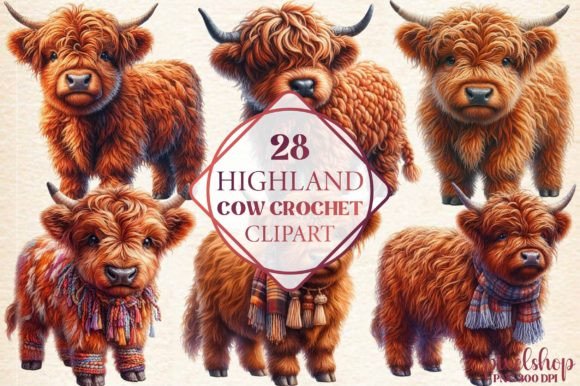
When reviewing a new graphic design asset for a client project, my first assessment always focuses on emotional resonance and technical versatility. Recently, while developing a comprehensive brand identity for a boutique baby clothing line specializing in organic cotton and handmade accessories, I evaluated the Watercolor Highland Cow Crochet Clipart collection. The immediate impression was one of softness and nostalgic warmth. Unlike generic vector art, these illustrations possess a textured, hand-painted quality that mimics actual yarn and watercolor paper. For a small business branding project targeting millennial parents who value artisanal craftsmanship, this aesthetic is not merely decorative; it is strategic. The visual mood strikes a delicate balance between playful nursery decor and sophisticated modern design, making it a strong contender for brands that need to communicate comfort without appearing amateurish.
Translating Digital Art into Tangible Product Packaging
In the context of this specific client project, the primary application for the Watercolor Highland Cow Crochet Clipart was packaging design and product labeling. We needed a hero graphic for hang tags and belly bands that would stand out in a crowded creative marketplace. The watercolor texture within the clipart proved exceptionally effective here. When placed against unbleached kraft paper or matte white cardstock, the organic edges of the illustration created a tactile visual experience even before the customer touched the product. This is where high-quality digital products distinguish themselves from standard stock art; they retain their character across different physical media. For print-on-demand sellers and Etsy product listings, this asset serves as an excellent anchor for marketing visuals, bridging the gap between a digital screen and a physical handmade business.
However, successful implementation requires understanding scale. During our mockup phase, we utilized the clipart as a central element on shipping boxes and thank-you cards. The intricate details of the crochet texture remained visible at medium-to-large sizes, reinforcing the premium nature of the brand. Conversely, when testing the asset for sticker design or small jar labels, we had to be selective. The complex watercolor edges can sometimes lose definition when scaled down below two inches. Designers working with Cricut projects or sublimation design must verify that the PNG design files have sufficient resolution and clean transparency masks to prevent jagged edges during the cutting or printing process.
Navigating Visual Hierarchy in Social Media Graphics
Social media graphics demand instant readability, and this is where the Watercolor Highland Cow Crochet Clipart requires careful art direction. While the illustration is charming, its busy texture can compete with typography if not managed correctly. In our campaign for Instagram and Pinterest pins, we found that the clipart worked best as a supporting visual element rather than a background. Placing bold, sans-serif headlines directly over the detailed crochet texture resulted in poor contrast and reduced legibility. Instead, we used the illustration to frame negative space, allowing the text to breathe. This approach maintained visual hierarchy while still leveraging the emotional appeal of the artwork.
For content creators and bloggers using Canva templates, this asset shines when paired with solid color blocks or subtle gradients. It adds personality to editorial design without overwhelming the message. We also tested the clipart in t-shirt design concepts for a seasonal capsule collection. The soft, muted color palette of the watercolor style translated beautifully to direct-to-garment printing, avoiding the harsh, plastic look that some digital illustrations suffer from on fabric. However, for minimalist branding or corporate materials requiring sharp lines and high contrast, this specific style may feel too informal. It is crucial to match the asset’s inherent whimsy with the appropriate brand voice.
Technical Due Diligence for Commercial Design Assets
Before integrating any clipart into a paid client deliverable, professional due diligence is non-negotiable. My review process for the Watercolor Highland Cow Crochet Clipart included several technical stress tests that every designer should perform:
- Contrast Testing: I converted the illustrations to grayscale to ensure the values held up without color. A good illustration should read clearly in black and white, which is essential for single-color embroidery patterns or budget-friendly printing options.
- Typography Pairing: I tested the clipart against various typefaces. Handwritten fonts complemented the organic feel but risked looking messy. A clean serif font provided the necessary structure to ground the whimsical illustration, creating a polished, professional aesthetic suitable for commercial design.
- File Format Inspection: While many users seek SVG design files for scalability, watercolor art often relies on raster textures. I verified that the included PNG design files were high-resolution (300 DPI minimum) with true transparent backgrounds. If an SVG version is provided, I checked whether it was a true vector or merely an embedded image, as this affects editability in software like Adobe Illustrator.
- Licensing Verification: Confirming the commercial license terms is critical. For this project, we ensured the license covered both digital marketing visuals and physical end-products for resale. Always review whether the asset can be used in a design bundle or if it must remain a standalone element in your final deliverables.
Strategic Applications Across Creative Platforms
Beyond packaging and social media, the Watercolor Highland Cow Crochet Clipart demonstrated significant utility in web design and digital advertising. For the client’s Shopify store, we used cropped sections of the illustration as divider elements and category icons. The soft texture helped break up rigid grid layouts, adding a human touch to the e-commerce experience. In email marketing campaigns, the clipart served as an engaging header image that increased click-through rates by evoking curiosity and warmth.
For makers and crafters, this asset offers unique opportunities in printable design. It translates exceptionally well to nursery wall art, baby shower invitations, and educational flashcards. The key to success in these applications is respecting the integrity of the original artwork. Avoid stretching or distorting the proportions, as this immediately devalues the perceived quality of the piece. When creating composite designs, treat the Watercolor Highland Cow Crochet Clipart as a focal point. Surround it with ample whitespace or simple geometric shapes to let the intricate crochet details take center stage.
Final Verdict for Professional Creatives
Ultimately, the Watercolor Highland Cow Crochet Clipart is a robust asset for designers serving the handmade, juvenile, and lifestyle sectors. Its strength lies in its ability to convey authenticity and care—qualities that are difficult to manufacture artificially. For brand owners and marketers, it offers a shortcut to establishing an emotional connection with audiences who crave genuine, artisanal aesthetics. However, it is not a universal solution. Projects demanding stark minimalism, technical precision, or corporate formality will likely find this style mismatched.
By approaching this graphic design asset with intentionality—testing its limits, respecting its texture, and pairing it with complementary typography—designers can elevate it from simple decoration to a cornerstone of a cohesive visual identity. Whether you are designing for a local craft fair booth or a national print-on-demand campaign, the success of this clipart depends entirely on thoughtful integration. It is a testament to the fact that in modern design, the most effective assets are those that feel less like digital files and more like tangible pieces of art.